A fugazy, or the O.G.? You decide. I didn’t create the story of the Westies. The events of the story happened in real life. The people who got caught up in that story were and are real people. I did, however, write the only book … Continue reading The Truth Behind ‘The Westies’: Book vs. TV Show
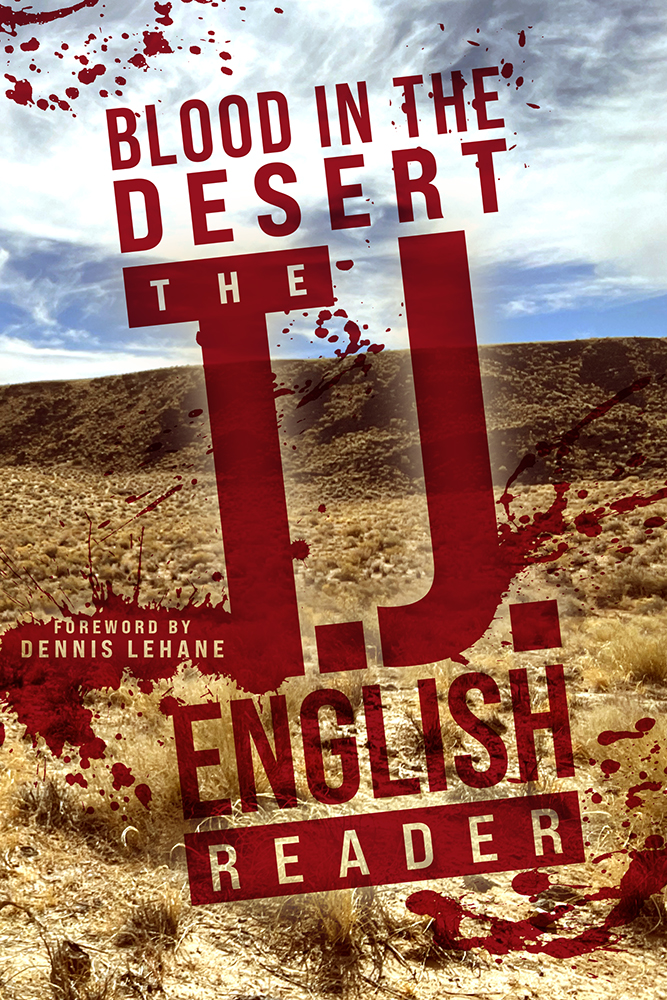
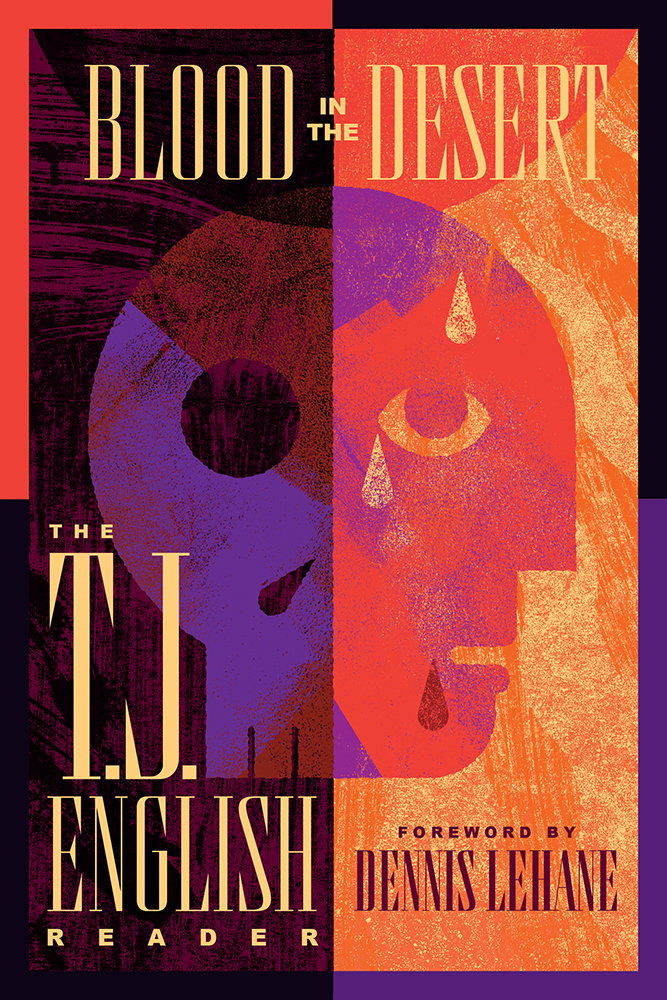
BOSTON, MA—Hamilcar Publications will publish Blood in the Desert: The T. J. English Reader by renowned journalist and author T. J. English on September 1, 2026, in dual hardcover and paperback editions.
Featuring a foreword by bestselling novelist Dennis Lehane, Blood in the Desert gathers, for the first time, the finest of English’s published essays and reporting alongside new work, including the haunting title piece, which has never before appeared in print.
A former New York City taxi driver turned acclaimed chronicler of crime, corruption, and the American underworld, English has spent four decades practicing a form of literary journalism that remains as vital as ever. The author of classic works such as The Westies, Havana Nocturne, and The Corporation, he has earned a place alongside writers like Jimmy Breslin, Pete Hamill, and Gay Talese.
Spanning subjects as varied as jazz, boxing, police corruption, violence in the desert Southwest, and the comedy of George Carlin, Blood in the Desert showcases a scribe drawn toward the fault lines of American life.
Dennis Lehane writes in the foreword:
“T. J. English is, in every great sense of the word, a born raconteur. His tales within this book range far and wide… English is heartless in his assessment of bureaucracies and institutionalized crime and indifference, but he is compassionate (yet quite clear-eyed) about all the hapless and hopeless strivers out there… Out of these strivers, English creates a symphony of souls. A collective voice. A universal hymn.”
Early praise for the collection includes:
“Blood in the Desert shows T. J. English at the top of his formidable game. Shifting between the gritty West Side of Manhattan, the arid landscapes of New Mexico, the boxing rings of Brooklyn and Las Vegas, and the swanky nightclubs of mid-century Havana, English probes the dark heart of contemporary culture. ‘True crime’ doesn’t begin to describe the literary achievement.” —Peter Richardson, author of Savage Journey: Hunter S. Thompson and the Weird Road to Gonzo
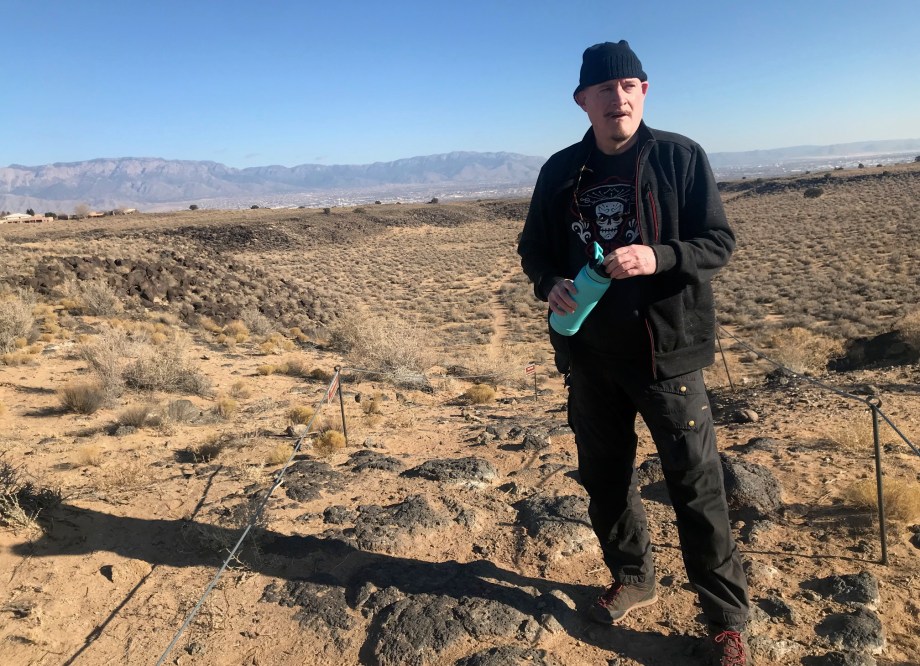
T. J. ENGLISH is a journalist and author whose work has chronicled organized crime, boxing, race, music, politics, and American subcultures for more than forty years. His books have been translated into multiple languages and praised for their combination of rigorous reporting and literary power.
HAMILCAR PUBLICATIONS is a Boston-based publisher focused ontrue crime, professional boxing, hip-hop, jazz, and more. Our books appeal to fans of these fascinating,often-intersecting worlds as well as to readers who are simply passionate about great nonfiction storytelling and beautiful book design.
Announcing a new book is a special occurance for any author. Unless you are Stephen King, or someone like that, it doesn’t happen very often. Over my career, I’ve averaged a new book every three years or so. Every one of them is the culmination … Continue reading BLOOD IN THE DESERT: THE T.J. ENGLISH READER
From true-crime legend T. J. English, the epic, behind-the-scenes saga of “Los Muchachos,” one of the most successful cocaine trafficking organizations in American history—a story of glitz, glamour, and organized crime set against 1980’s Miami.
Despite what Scarface might lead one to believe, violence was not the dominant characteristic of the cocaine business. It was corruption: the dirty cops, agents, lawyers, judges, and politicians who made the drug world go round. And no one managed that carousel of dangerous players better than Willy Falcon.
A Cuban exile whose family escaped Fidel Castro’s Cuba when he was eleven years old, Falcon, as a teenager, became active in the anti-Castro movement. He began smuggling cocaine into the U.S. as a way to raise money to buy arms for the Contras in Central America. This counter-revolutionary activity led directly to Willy’s genesis as a narco. He and his partners built an extraordinary international organization from the ground up. Los Muchachos, the syndicate founded by Falcon, thrived as a major cocaine distribution network in the U.S. from the late 1970’s into the early 1990’s. At their height, Los Muchachos made more than a billion dollars a year. At the same time, Willy, his brother Tavy Falcon, and partner Sal Magluta became famous as championship powerboat racers.
Cocaine, used by everyone from A-list celebrities to lawyers and people in law enforcement, came to define an era, and for a time, Willy Falcon and those like him—major suppliers, of whom there were only a few—became stars in their own right. They were the deliverers of good times, at least until the downside of persistent cocaine use became apparent: delusions of grandeur, psychological addiction, financial ruin. Thus, the War on Drugs was born, and federal authorities came after Falcon and his crew with a vengeance. Willy found himself on the run, his marriage and family life in shambles, the halcyon days of boat races and lavish trips to Vegas and parties at the Mutiny night club seemingly a distant memory.
T. J. English has been granted unprecedented access to the inner workings of Los Muchachos, sitting down with Willy Falcon and his associates for many lengthy interviews, and revealing never-before-understood details about drug trafficking. A classic of true-crime writing from a master of the genre, The Last Kilo traces the rise and fall of a true cocaine empire—and the lives left in its wake.
I was asked recently by an esteemed college professor to list influences. Every professional writer has them.
Here is a list. Mind you, these are not necessarily my favorite writers, they are writers I was influenced by, which is, perhaps, a different criteria. I learned from these writers, in some cases from their writing style, and in some case from their POV as a writer.
Being influenced by is not the same as choosing to copy or emulate. On the contrary. When you are really influenced by a writer, it usually means you wouldn’t dare try to copy that writer. The thinking is, that has been done, and it can’t be done better…
Major influences:
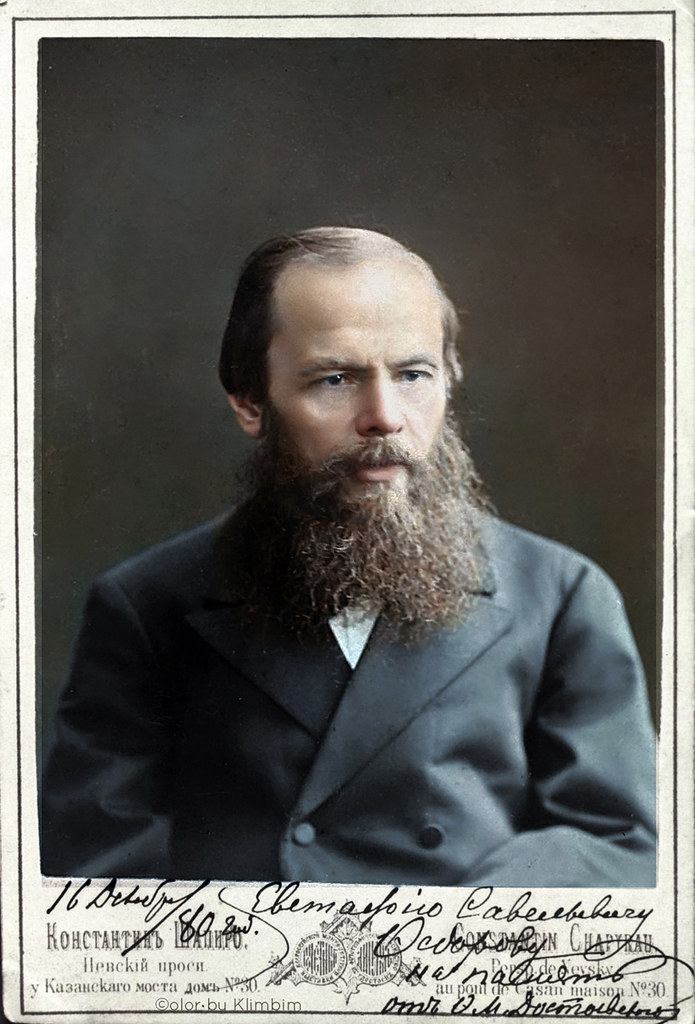
Fyodor Dostoyevski – crime and society. The micro and the macro. To whom I owe everything.
Zora Neal Hurston – anthropological storytelling; diverse writing talent
Hunter S. Thompson – counterculture point of view; iconoclast
Norman Mailer – the audacity of the authorial voice; the big picture
Joan Didion – cool detachment and consummate research; the perfect sentence
Stephen Crane – exploring the social universe; the non-passive imagination
Albert Camus – applied existentialism
Chester Himes – the world within a world
Jean Genet – prison voices; society as a form of incarceration
James Baldwin – exposing the hypocrisy of white society and psychological horrors of the American project
William Kennedy – Irish American storytelling
Peter Maas – non-fiction crime narratives
Pauline Kael – verve in the prose, thinking and writing at the same time. Immediacy of the ideas.
James Joyce – self invention through writing
Edna Buchanan – a woman in a man’s world; reporting as an art form
If you are in NYC on these dates, here’s your chance to experience the killer new band put together by author and jazz aficionado T.J. ENGLISH at the legendary nightclub Birdland. Three nights to choose from (Friday, Saturday & Sunday)! Don’t miss it!
The first season of Skull Fragments is in the can, as they say, all episodes currently available on Spotify, Apple Podcasts, Libsyn, etc. It was pure joy for me doing these six intimate, in-depth, in-studio interviews. Entertaining, educational, fascinating. The episodes present diverse points of … Continue reading The Nitty Gritty on Crime & Punishment in America
Why Art Pepper’s Straight Life Is Still the Most Harrowing Jazz Memoir Ever (This article first appeared in the August 2019 issue of JazzTimes magazine.) Early in his memoir, Straight Life, the late jazz legend Art Pepper relates a story about being in the U.S. Army during World … Continue reading Art Pepper: After Life
Very few musicians of any kind have contributed more to the musical identity of a city than Tito Puente did for New York City. Certainly, in the early decades of jazz, and with rock-and-roll and hip hop, there are more than a few names that … Continue reading In Praise of Tito Puente
(Address by T.J. English upon receiving the award from Lehman College, The Bronx, NY, Oct. 24, 2019.) I am known primarily as someone who writes about crime – organized crime, the criminal underworld, the criminal justice system. In the commercial marketplace, the term that is … Continue reading Global Impact Award